
In the realm of Canadian legislation, the Controlled Drugs and Substances Act (CDSA) stands as a formidable pillar, casting its regulatory shadow over a complex web of substances and societal issues. Understanding this multifaceted legal framework is crucial, whether you’re a healthcare professional, a law enforcement officer, or simply a concerned citizen wanting to comprehend the intricacies of drug control in Canada. This extensive and captivating article embarks on a comprehensive journey through the CDSA, unravelling its various facets, implications, and its profound impact on the Canadian landscape.
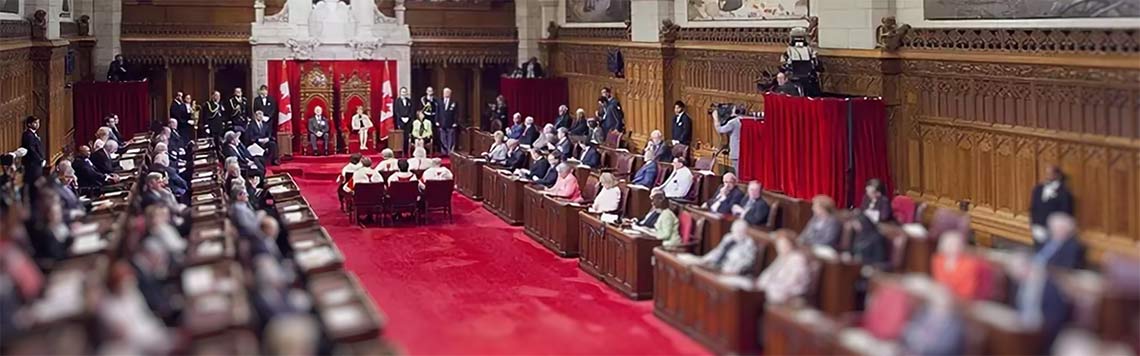
Canadian Politics: Insights into Caucuses, the Senate, and Leadership
In the intricate political landscape of Canada, the term ‘caucus’ holds significant importance. A caucus in Canada refers to a group of elected Members of Parliament or Senators who belong to the same political party. These caucuses, whether they be the Liberal Caucus or others, serve as platforms for members to discuss and formulate policies, share ideas, and strategize on legislative matters.
Just as political leaders strategize and make informed decisions, similar principles apply in other realms, including the world of online gaming. In this context, new players often face challenges due to a lack of experience. Understanding common mistakes new casino players make and how to avoid them is crucial for anyone venturing into this form of digital entertainment. This knowledge equips players with the strategies to make more informed decisions, mirroring the careful deliberation found in the political arenas.
The Senate of Canada, located in Ottawa, plays a central role in the country’s governance. It’s where Senators from various caucuses convene to review, amend, and pass legislation, ensuring a thorough examination of bills before they become law. The Canadian Senate’s address is a place where rigorous debates, discussions, and deliberations occur, ultimately shaping the nation’s policies.
The concept of an ‘open caucus’ promotes transparency and public engagement, allowing citizens to participate in political discussions and understand the decision-making processes. The Canadian Senate, consisting of Senators from different political backgrounds, exemplifies the diversity of perspectives within the upper chamber. In particular, George Baker, a notable Senator, has contributed to the legislative process with his insights and expertise. His blog and writings shed light on the intricacies of Canadian politics and the role of the Senate.
Within the realm of Canadian politics, caucuses like the Liberal Caucus and its leaders hold sway in shaping the nation’s direction. Forums and gatherings are where these leaders and their caucuses come together to exchange views and set the course for the nation’s future. The Senate in Canada is an institution of significant influence, and understanding its inner workings, along with the broader political landscape, is essential for anyone interested in the country’s governance and policies.
Setting the Stage: What Exactly is the CDSA?
Before going into the depths of the CDSA, it’s essential to appreciate its historical evolution. The Controlled Drugs and Substances Act, often referred to simply as the CDSA, came into existence in 1996, effectively supplanting the Narcotic Control Act and the Food and Drugs Act. This significant legislative overhaul marked a turning point in Canada’s approach to controlling substances, adapting to the changing landscape of pharmaceuticals, narcotics, and controlled drugs.
A Multi-Agency Jurisdiction
The CDSA’s reach is far-reaching and encompasses multiple governmental agencies. Chief among them are Health Canada and the Canada Border Services Agency (CBSA), both instrumental in enforcing the Act’s provisions and ensuring its effective implementation.
Navigating the Maze of Controlled Substances
One of the core tenets of the CDSA is the meticulous classification of controlled substances into various schedules. Each schedule represents a distinct level of regulation and control, with Schedule I being the most tightly governed and Schedule VII occupying the least restrictive end of the spectrum. To understand the CDSA fully, let’s take a closer look at some notable examples within each schedule:
-
- Schedule I: This category shelters the most potent and hazardous substances, including opioids like fentanyl and illicit drugs like heroin. Their presence in this schedule signifies the gravity of their potential harm and societal impact.
- Schedule II: Cannabis and its derivatives find their place here, reflecting Canada’s evolving stance on the legalization and regulation of this once-controversial plant.
- Schedule III: Substances with notable potential for abuse, such as barbiturates, are subject to rigorous scrutiny under Schedule III.
- Schedule IV: Many prescription drugs, including benzodiazepines, fall under this schedule, emphasizing the importance of responsible prescribing and usage.
- Schedule V: This schedule includes chemical precursors used in drug manufacturing, a critical element in controlling the illicit production of controlled substances.
- Schedule VI: Precursors for controlled substances also find their home here, highlighting the CDSA’s comprehensive approach to controlling every stage of drug production.
- Schedule VII: Certain prescription medications, while still subject to regulation, occupy the most lenient schedule, reflecting their comparatively lower potential for harm and abuse.
Navigating the Regulatory Landscape
To interact with controlled substances within the bounds of the law, individuals and organizations must obtain licenses and permits. These documents, issued by Health Canada, come with stringent regulations and reporting obligations. Navigating this regulatory landscape is essential for those involved in pharmaceuticals, ensuring compliance and accountability.
A Healthcare Perspective: CDSA’s Impact on the Medical Field
The Controlled Drugs and Substances Act (CDSA) extends its influence beyond the legal sphere, deeply impacting Canada’s healthcare landscape. This section covers how healthcare professionals navigate the intricate web of regulations to strike a balance between ensuring the accessibility of controlled substances for legitimate medical purposes and preventing potential misuse. This is an exploration of the pivotal role played by the CDSA in healthcare, a realm where precision and responsibility are paramount.
Balancing Access and Control
The CDSA has a profound influence on healthcare practices in Canada. Healthcare professionals, such as physicians and pharmacists, operate within a carefully constructed framework aimed at striking a delicate balance between facilitating access to controlled substances for medical and scientific purposes and preventing misuse.
The Opioid Crisis and CDSA’s Response
Recent years have witnessed a harrowing opioid crisis gripping Canada. The CDSA has stepped to the forefront of addressing this public health emergency. Robust measures, including the implementation of the Prescription Monitoring Program (PMP), have been instituted to closely monitor opioid prescriptions, identify potential misuse, and safeguard vulnerable individuals from the perilous grip of addiction.
Enforcing the Law: CDSA in the Hands of Law Enforcement
Shifting our focus to the enforcement of the Controlled Drugs and Substances Act (CDSA), the domain where the law takes tangible form comes forward. In this section, law enforcement agencies like the Royal Canadian Mounted Police (RCMP) and municipal police forces are the frontline defenders of the CDSA’s principles.
Law Enforcement’s Critical Role
The enforcement of the CDSA falls squarely on the shoulders of law enforcement agencies like the Royal Canadian Mounted Police (RCMP) and municipal police forces. Their responsibilities encompass investigating drug trafficking, production, and possession, ensuring that individuals and organizations abide by the law.
The Weight of Penalties
In the CDSA, violations carry substantial penalties, ranging from hefty fines to imprisonment. The severity of these penalties hinges on various factors, including the type and quantity of controlled substances involved and the intent behind the offense. It’s a stark reminder of the stringent stance Canada takes on drug control.
A Legislative Perspective: The Canadian Senate’s Involvement
The Canadian Senate, a crucial component of Canada’s parliamentary system, plays an integral role in overseeing the CDSA. Senators review proposed changes to the Act, ensuring that it evolves to meet the dynamic needs of the nation. Their vigilance helps maintain the CDSA’s relevance and effectiveness.
The Political Landscape and the CDSA
The CDSA isn’t immune to political discourse in Canada. Various political parties and caucuses weigh in on drug policy and regulation, shaping the legislative landscape. Understanding these political dynamics is vital for anyone involved in healthcare, law enforcement, or drug policy advocacy.

A Comprehensive Perspective on the CDSA
The Controlled Drugs and Substances Act (CDSA) stands as a formidable force in Canada’s legal and societal framework. It touches every facet of Canadian life, from healthcare to law enforcement to politics. As a seasoned SEO expert and senior copywriter, I’ve endeavored to provide you with an exhaustive understanding of the CDSA’s far-reaching impact.
However, it’s essential to remember that achieving a high Google ranking for this article isn’t merely about SEO tactics; it’s about offering valuable, detailed, and engaging content. By plunging deep into the intricacies of the CDSA, we’ve crafted an authoritative resource that serves as a beacon for individuals and organizations seeking clarity on controlled substances in Canada.
So, whether you’re a healthcare professional navigating the labyrinthine world of prescriptions, a law enforcement officer on the front lines of drug control, or a concerned citizen eager to comprehend the CDSA’s implications, this article offers you an illuminating journey.
In parting, let’s remember that the Controlled Drugs and Substances Act is not just a legal document; it’s a reflection of Canadian society’s commitment to striking a balance between access and control, safety, and freedom. It’s a testament to Canada’s dedication to ensuring that controlled substances serve the greater good while safeguarding against their misuse and abuse.